Finlay Watches
Anatomy of a watch
A watch is a small collection of parts that change how it looks, works and wears. Some are easy to spot, like the hands and crown. Others are tucked behind the dial. This is a tour of the pieces that matter.
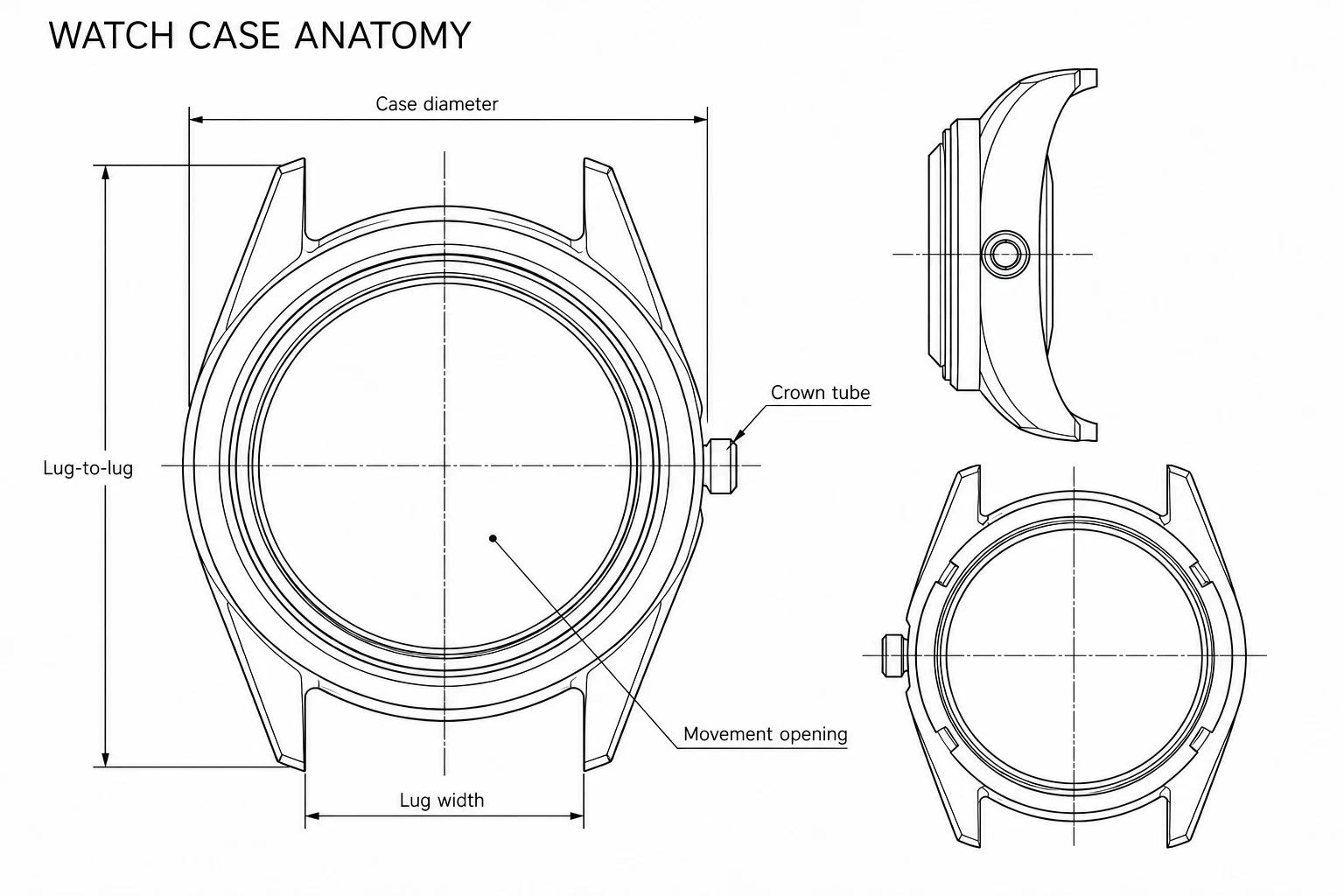
The case gives the watch its shape
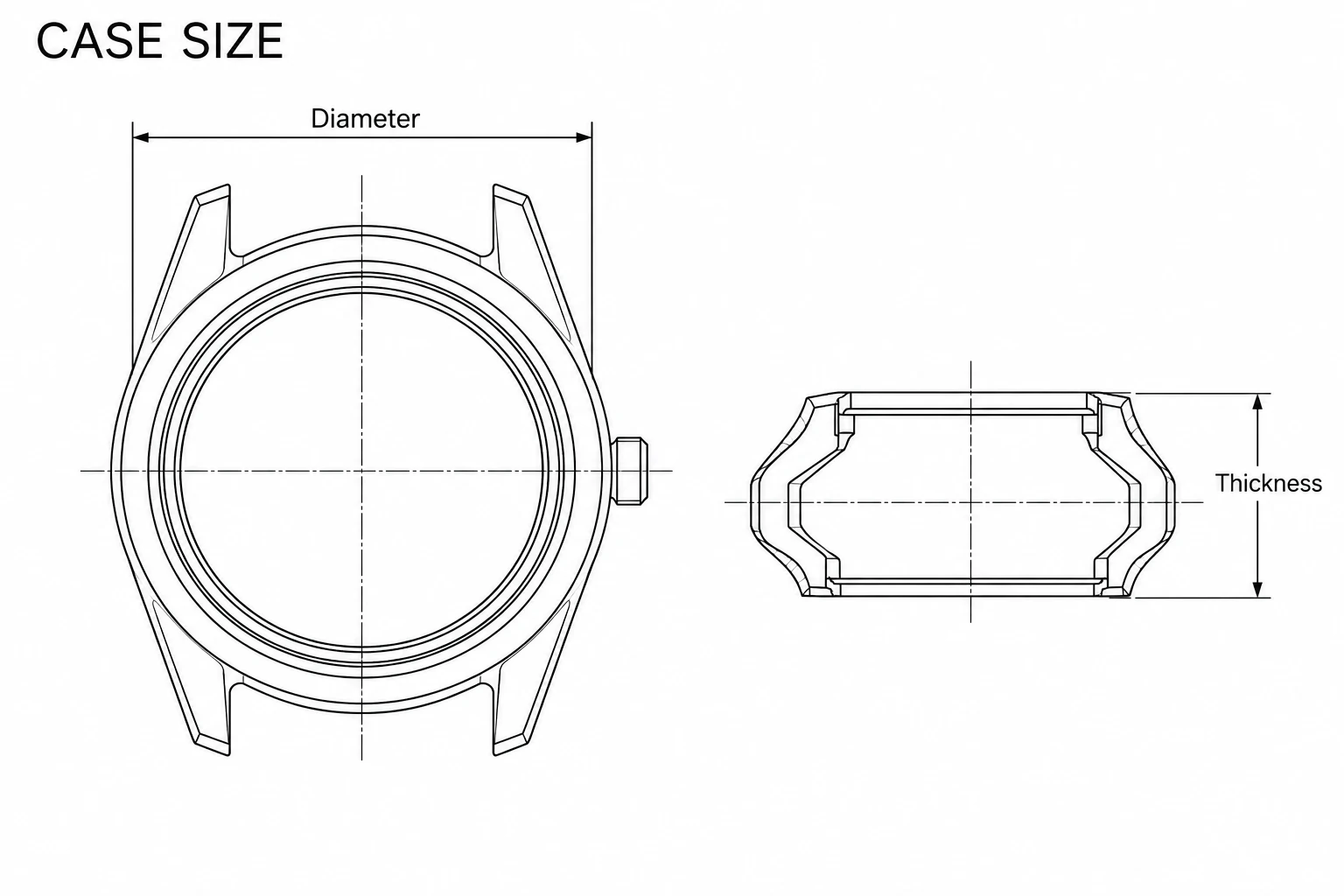
The case houses the movement and frames the dial. Its diameter is the width across the body, usually measured without the crown. Thickness is the height from the back of the watch to the top of the crystal.
A thin case can sit close to the wrist. A thicker one has a different profile. Diameter, thickness and the curve of the lugs work together to give a watch its proportions.
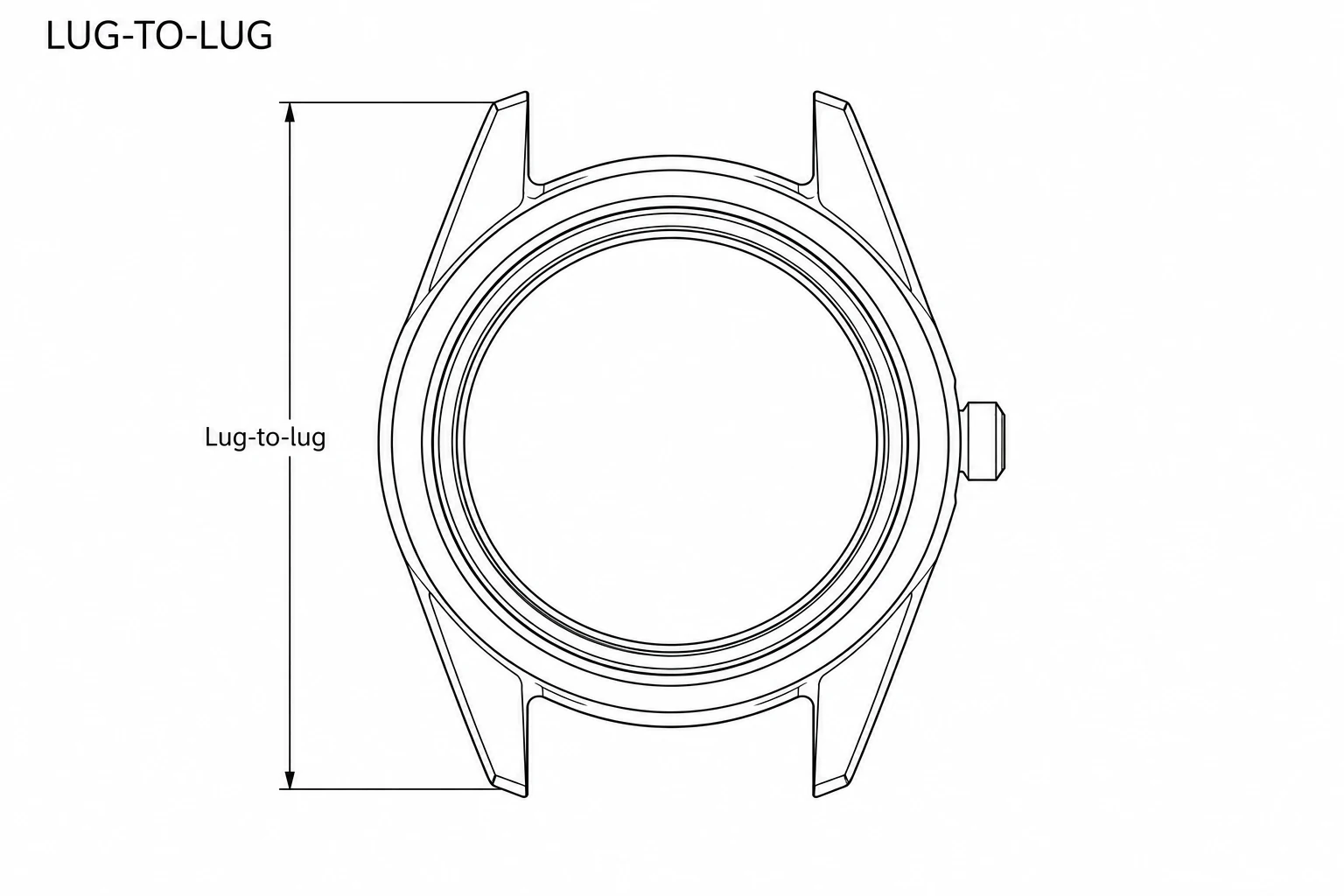
Lugs connect the case to the wrist
The lugs are the projections where the strap or bracelet attaches. Lug-to-lug measures the length from one end of the case to the other. Lug width is something else: the gap between the lugs where the strap fits.
One helps you compare the footprint of a watch; the other helps you choose a compatible strap. Our sizing guide puts those measurements into context.
Crystal, bezel and crown
The crystal is the transparent cover over the dial. Sapphire, mineral glass and resin are common materials, each with its own character. Around it sits the bezel, which might be a simple polished ring or a rotating scale, as on a dive watch.
The crown is the control on the side of the case. It sets the time, and on some watches the date too. On a mechanical watch it can also wind the movement.
The movement keeps time
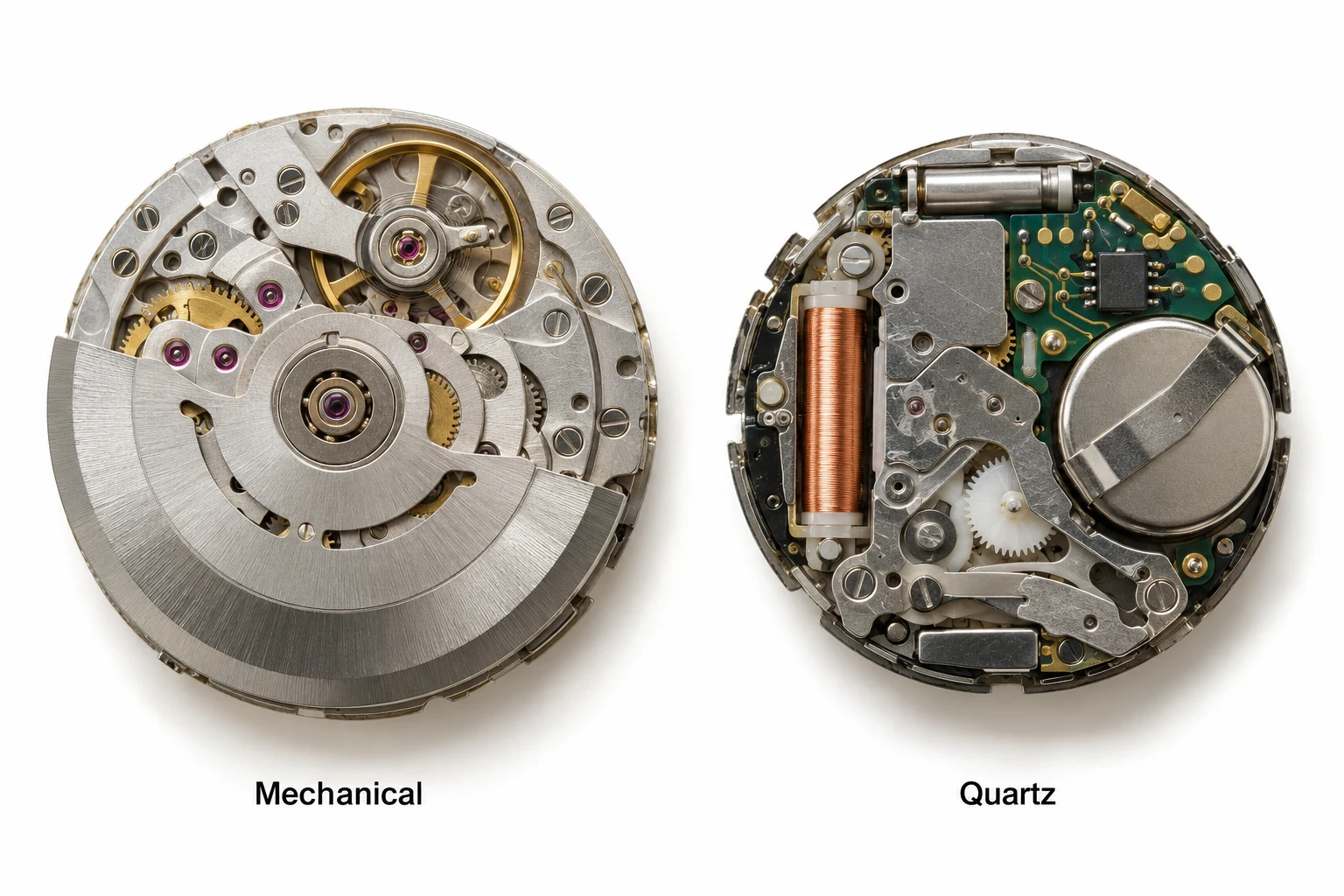
The movement is the mechanism behind the hands. A mechanical movement stores energy in a wound mainspring and releases it through a train of gears and an escapement. In an automatic watch, a rotor turns with your wrist and helps wind that spring.
A quartz movement uses an electronic circuit and a vibrating quartz crystal to regulate timekeeping. A battery supplies the energy. Light-powered quartz watches, including Citizen Eco-Drive models, recharge their cell from light.
Bracelet or strap?
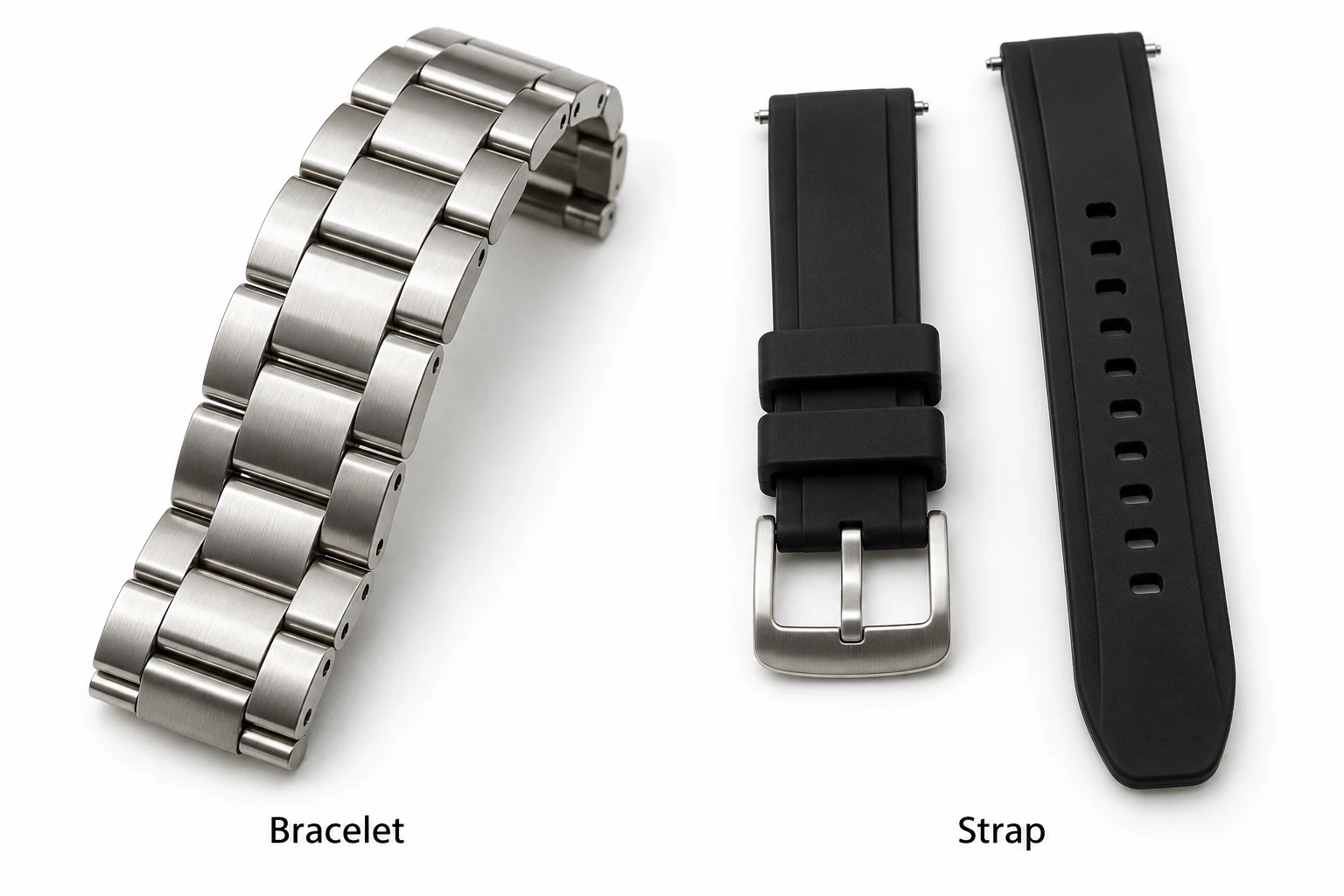
A bracelet is built from metal links. A strap is a flexible band, often leather, rubber or fabric. The choice changes the look of a watch and how it drapes around your wrist.
With conventional lugs, a spring bar often holds the attachment in place. Integrated designs shape the first bracelet link around the case itself, which is part of why their proportions feel different.
You can see those design choices in the Casio AQ-230 and the two Citizen Promasters, or explore the collection.
Reading notes and illustrations
Original technical illustrations and AI-generated photographic studies created for Finlay Watches. The drawings explain watch components; the photographs in the comparison articles show the models in our collection.